Featured
The Future of Interest Rates and Your 2026 Debt Technique
Table of Contents
Adjusting to High-Interest Environments in Rock Hill Debt Management Program
Credit card balances in 2026 have actually reached levels that require more than just minimum payments. For lots of households in Rock Hill Debt Management Program, the rising cost of living has squeezed month-to-month margins, resulting in a rise in revolving debt. Managing these balances includes more than just budgeting-- it needs a tactical shift in how interest is handled. High rate of interest on credit cards can produce a cycle where the primary balance hardly moves despite constant payments. Professional analysis of the 2026 financial environment recommends that rolling over financial obligation into a structured management plan is ending up being a basic relocation for those looking for to gain back control.
The existing year has seen a shift towards more formal financial obligation management structures. While consolidation loans were the primary choice in previous years, 2026 has seen a rise in making use of nonprofit financial obligation management programs. These programs do not include taking out a new loan to settle old ones. Instead, they concentrate on restructuring existing commitments. Success in debt reduction often starts with professional expertise in Payment Reduction. By working with a Department of Justice-approved 501(c)(3) not-for-profit agency, people can access negotiations that are generally unavailable to the public. These agencies work straight with lenders to lower rates of interest and waive late charges, which enables more of each payment to go toward the primary balance.
Mechanics of Debt Management Plans in 2026
A financial obligation management program functions by consolidating several monthly credit card payments into one single payment made to the counseling agency. The company then distributes these funds to the numerous lenders. This system simplifies the procedure for the consumer while guaranteeing that every financial institution receives a payment on time. In 2026, these programs have actually become more sophisticated, typically incorporating with digital banking tools to provide real-time tracking of debt reduction development. For residents in various regions, these services offer a bridge between frustrating financial obligation and monetary stability.
The settlement phase is where the most substantial cost savings take place. Lenders are often ready to provide concessions to nonprofit firms because it increases the likelihood of complete payment. These concessions might include dropping a 24% rates of interest to 8% or lower. This decrease significantly alters the mathematics of debt repayment. Monthly Payment Reduction Plans offers a clear roadmap for those battling with several creditors. Without these negotiated rates, a customer may invest decades paying off a balance that might be cleared in three to five years under a managed strategy. This timeline is a vital element for anyone preparation for long-lasting objectives like homeownership or retirement.
Comparing Combination Loans and Nonprofit Therapy
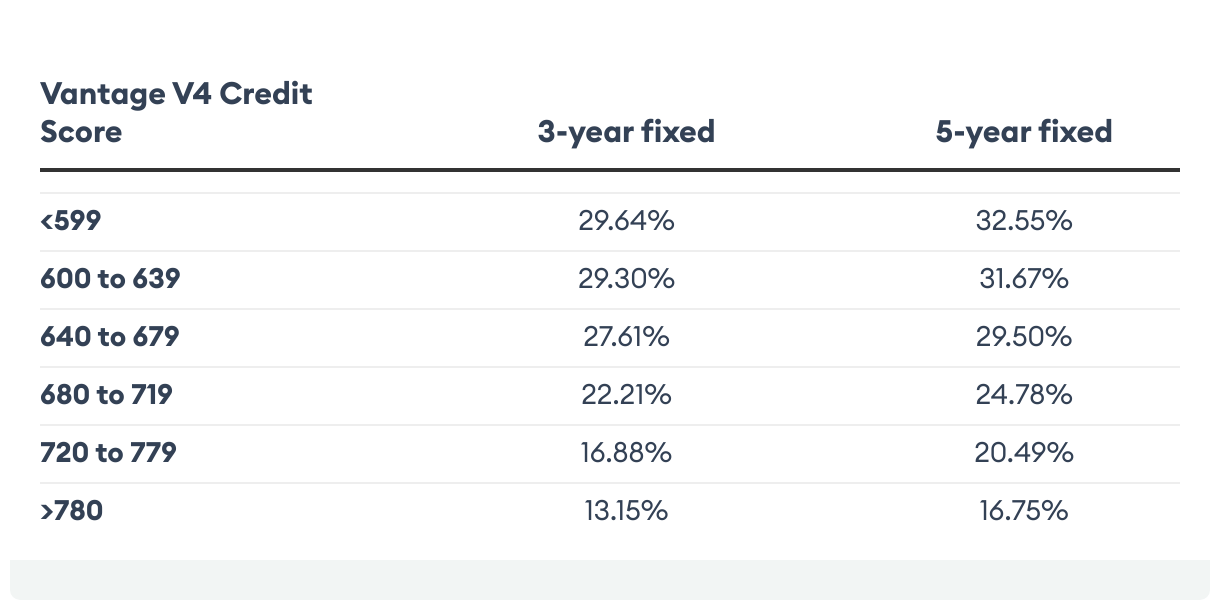
Selecting between a consolidation loan and a debt management strategy depends upon credit health and present earnings. In 2026, credit requirements for low-interest personal loans have tightened up. This leaves lots of people in different parts of the country trying to find alternatives. A debt consolidation loan is a new debt that settles old financial obligation. If the rates of interest on the brand-new loan is not considerably lower than the average of the credit cards, the benefit is very little. If the hidden spending routines do not alter, there is a risk of running up the credit card balances again while still owing the consolidation loan.
Nonprofit credit therapy firms offer a different technique. Due to the fact that they are 501(c)(3) companies, their main focus is education and debt reduction rather than revenue. They provide totally free credit therapy and pre-bankruptcy therapy for those in dire straits. Finding trusted Payment Reduction in South Carolina can indicate the difference in between insolvency and healing. These companies also deal with pre-discharge debtor education, ensuring that people have the tools to prevent repeating previous mistakes. This educational component is typically what separates long-term success from temporary relief.
The Role of HUD-Approved Housing Counseling
Debt management does not exist in a vacuum. It is closely connected to housing stability. In Rock Hill Debt Management Program, lots of people find that their charge card debt prevents them from certifying for a home loan and even preserving existing rental payments. HUD-approved housing counseling is a vital resource offered by nationwide firms. These services assist people understand how their financial obligation impacts their housing alternatives and supply methods to protect their homes while paying for lenders. The combination of housing advice with debt management creates a more stable monetary foundation for families across the 50 states.
In 2026, the connection between credit report and real estate costs is tighter than ever. A lower debt-to-income ratio, achieved through a structured management strategy, can cause better insurance rates and lower mortgage interest. Counseling firms frequently partner with regional nonprofits and neighborhood groups to ensure that these services reach diverse populations. Whether in a specific territory, the objective is to provide accessible financial literacy that translates into real-world stability.
Long-Term Method and Financial Literacy
Rolling over debt in 2026 is as much about education as it has to do with rate of interest. The most reliable programs include a deep concentrate on financial literacy. This includes learning how to track expenses, build an emergency situation fund, and comprehend the mechanics of credit report. Agencies that operate across the country often provide co-branded partner programs with banks to help consumers shift from debt management back into traditional banking and credit items. This shift is a major milestone in the recovery process.
Making use of independent affiliates helps these agencies extend their reach into smaller sized communities where specialized monetary guidance may be limited. By supplying these resources locally, they ensure that assistance is available no matter geography. For those in Rock Hill Debt Management Program, this indicates access to the same premium therapy found in major monetary centers. The strategy for 2026 is clear: stop the bleeding by lowering rate of interest, consolidate the process to ensure consistency, and use the resulting savings to develop an irreversible monetary security web.

Handling financial obligation is a marathon. The 2026 environment needs a disciplined approach and a desire to look for professional assistance. By utilizing the structures provided by nonprofit agencies, people can browse the intricacies of contemporary credit. The process of moving from high-interest revolving financial obligation to a structured, worked out plan is a proven path to financial health. With the right support and a focus on education, the debt that appears uncontrollable today can be a distant memory within just a couple of years.

Latest Posts
Protecting Your Legal Rights Against Collector Harassment
Strategies for Ending Unfair Collection Calls in 2026

Effective Ways to Eliminate Large Debt in 2026